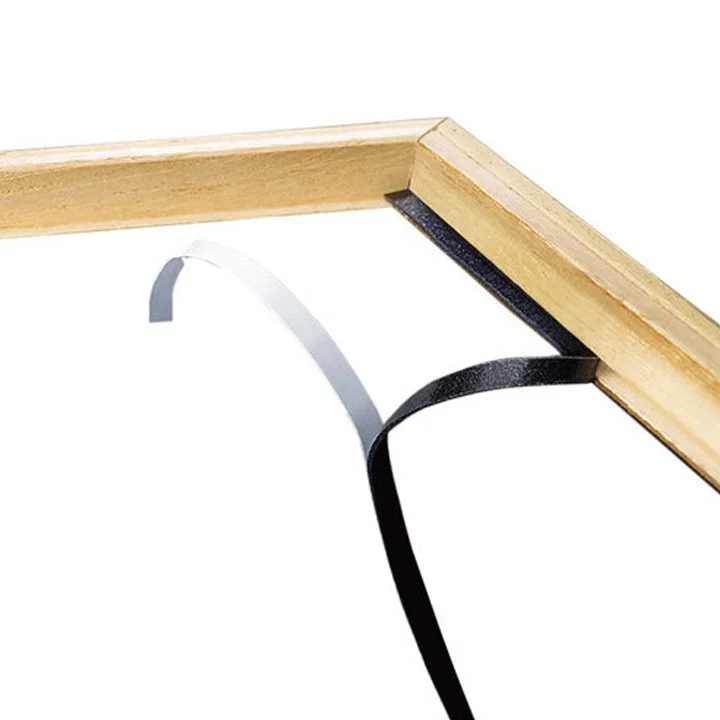
Archival Foam Tape
The Final Build: Framing Your Artwork
I believe a painting is truly finished only when it is framed. While aesthetic tastes are personal, the frame serves as the essential bridge between the artwork and the environment it inhabits. Selecting a frame is a highly satisfying part of the process—it allows you to calibrate the size, color, and design to the specific dynamics of your room, creating a fully personalized experience. The basic setup shown above is simple and effective to “float” the artwork and protect the painted surface.
Technical Specifications for Baltic Birch
Because I work primarily on 6-9mm Baltic Birch and Aluminum Composite panels that are standard frame sizes, the choice of frame construction requires specific technical considerations to ensure long-term archival stability.
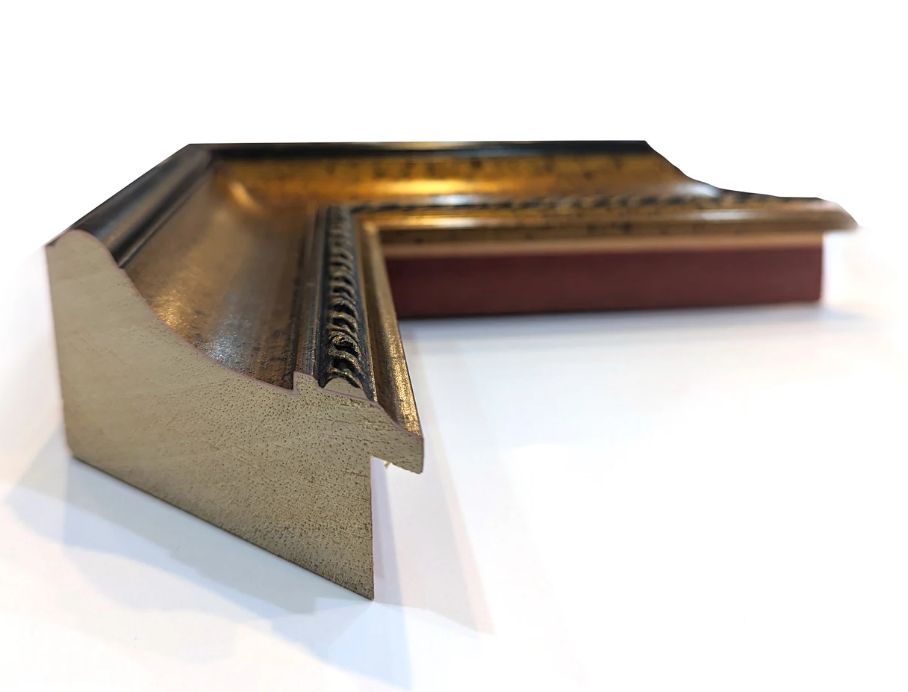
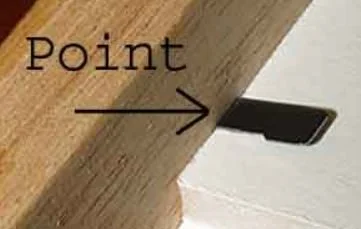
Rabbet Depth: As shown in the illustration above, I recommend a frame with a rabbet (the inner groove) deep enough (12mm minimum) to comfortably house the panel and accommodate flat-points (those little black flexible steel bits).
The Archival Interface: A mandatory component of my framing standard is archival foam frame tape. This tape acts as a critical buffer, isolating the panel from direct contact with the frame material coatings.
Controlled Tension: All supports possess a slight degree of natural variance. By applying a small, calibrated amount of pressure, a professional framer ensures the panel lies perfectly flat within the rabbet.
Other considerations: Using glass and or matting can cause damage to an oil painting, and is not recommended.
The "Floating" Result
When properly installed, the panel "floats" securely between the staples and the foam tape. This creates an ideal environment that accounts for natural expansion and contraction, protecting both the frame and the artwork for decades to come.